PD-with/for-AI: Framework and Lessons for Responsible Use of AI-Generated Synthetic Personas
July 2026
Interaction Design and Architecture(s) Journal – IxD&A
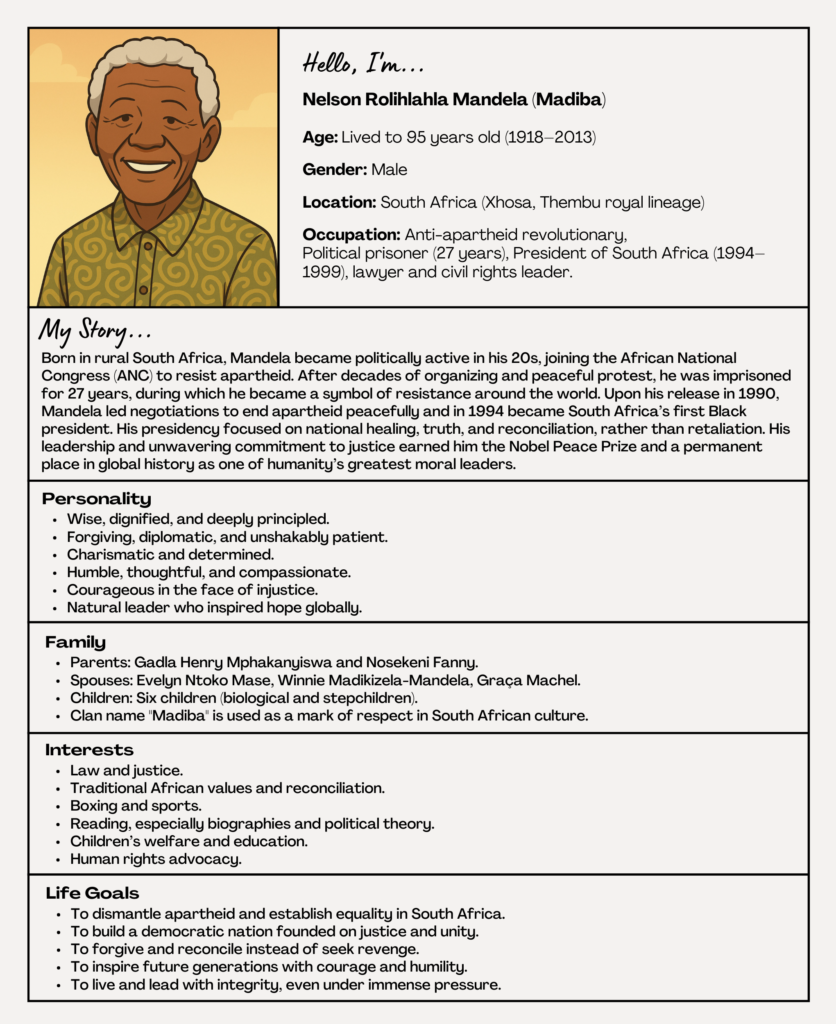
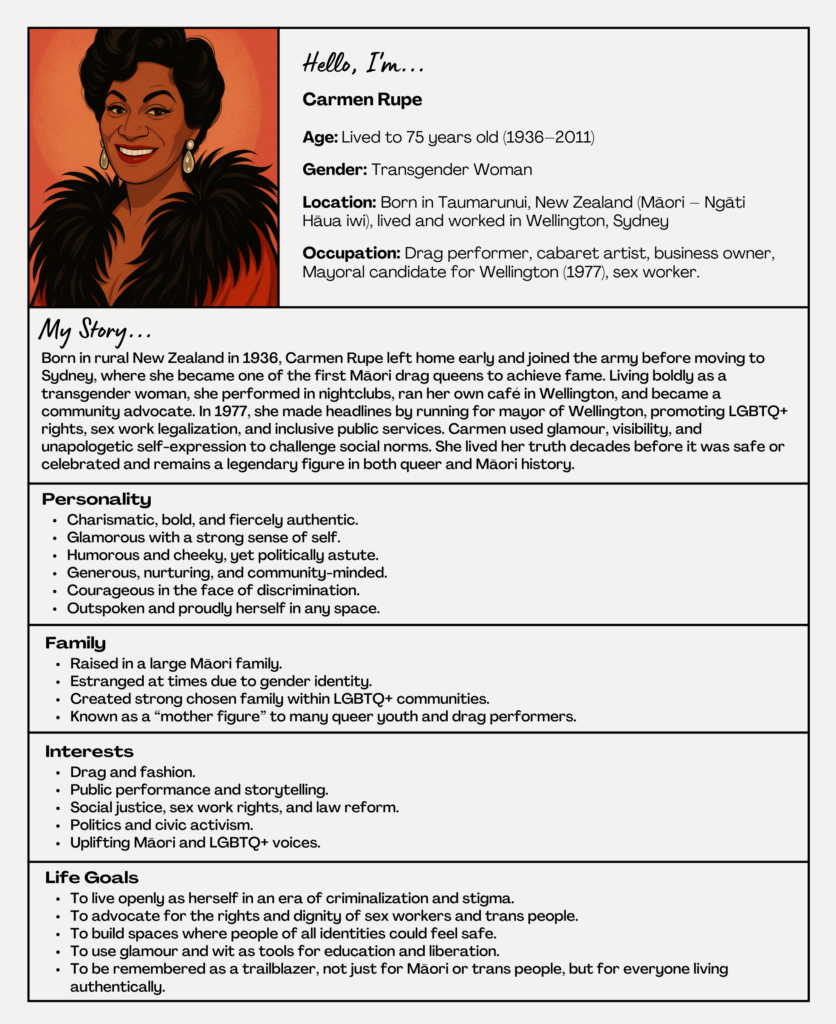
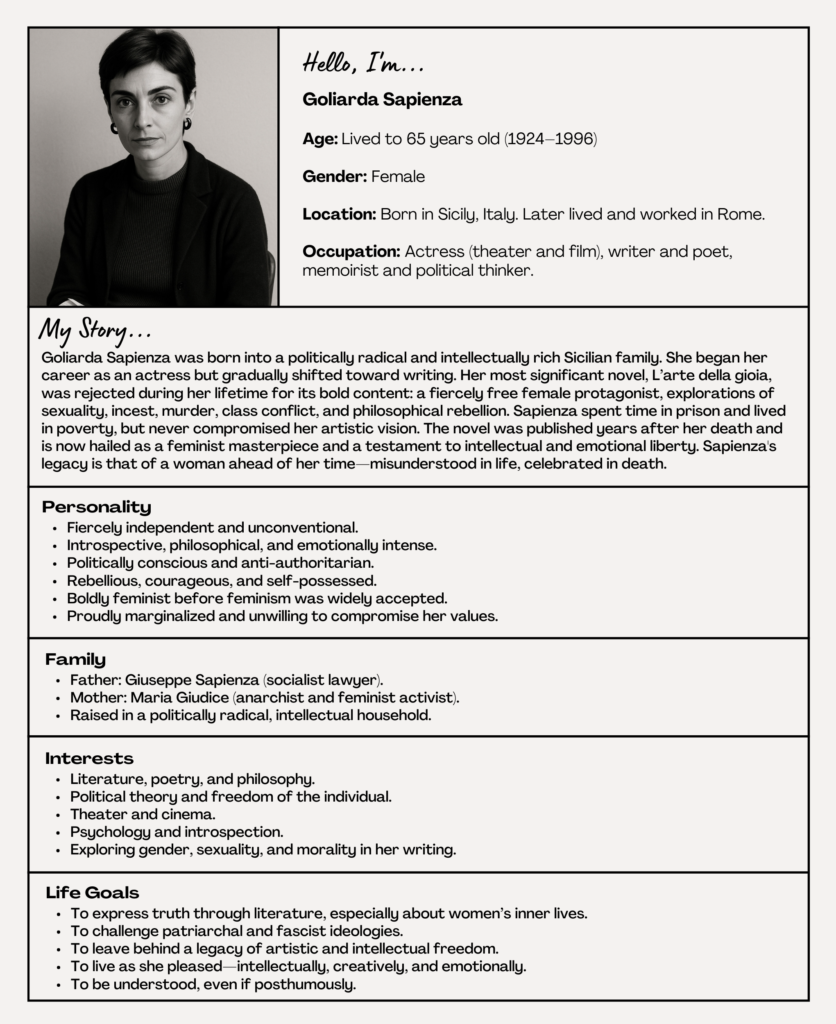
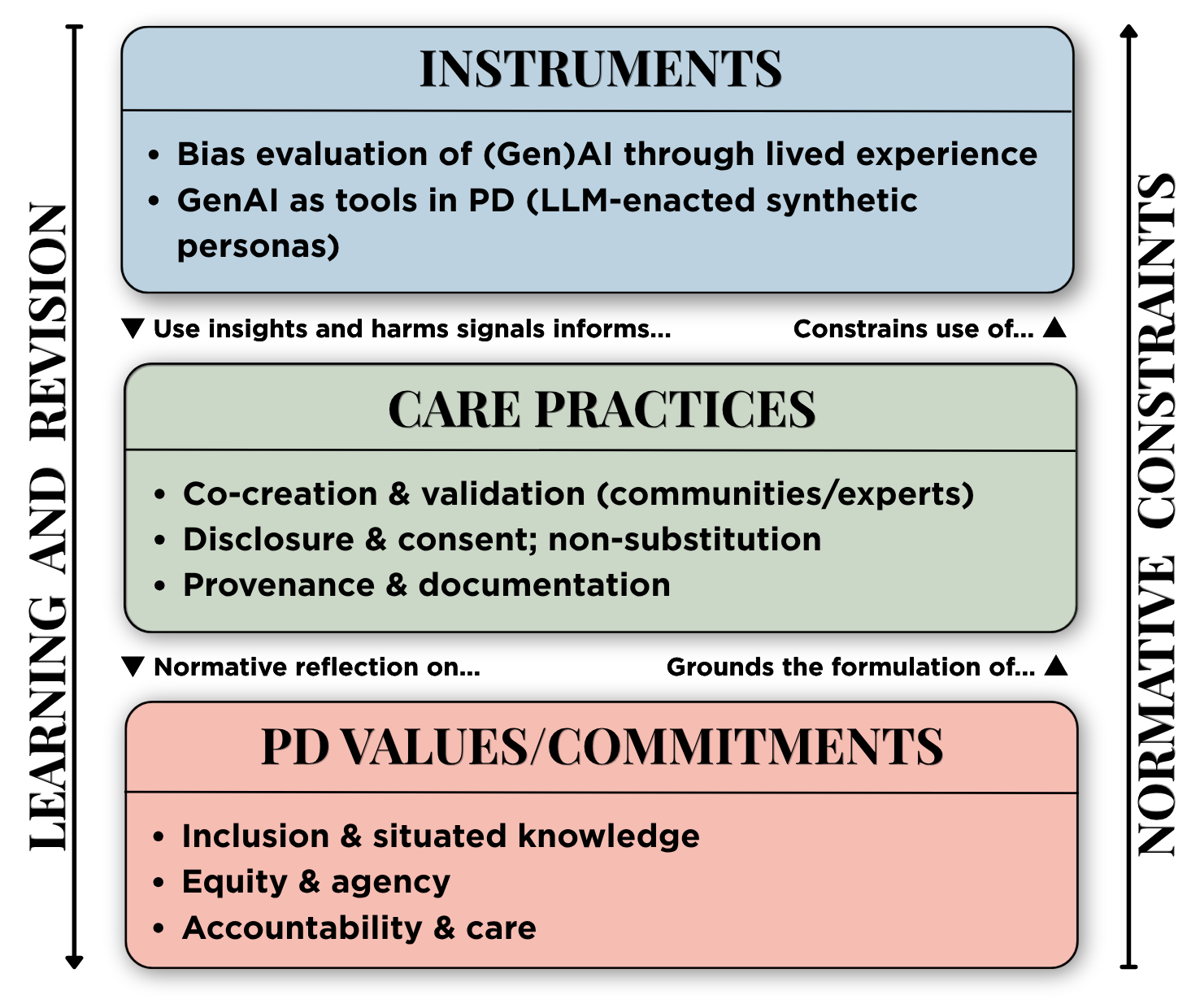
In this conceptual paper, we synthesize findings from four studies at the intersection of Participatory Design (PD) and generative AI to articulate a coupled path: PD is suited for evaluating AI through lived experience; insights inform AI-supported co-creation (e.g., enacted/synthetic personas); and PD, in turn, designs and validates these tools. We show that AI-generated and -enacted personas can widen perspective but are not recommended as substitutes for people. Based on the cross-cutting lessons learned from the four studies we outline strategies and care practices for responsible use of synthetic personas, introducing a layered bidirectional model illustrating how PD values should form use of these instruments while knowledge acquired from use can in turn inform reconfigurations of PD practices and values. This strategy positions PD as both shaper and steward of generative AI in design.
H. A. Haxvig, V. D’Andrea, M. Teli
“I’ve never seen a glass ceiling better represented”: Bias and gendering in LLM-generated synthetic personas from a participatory design perspective
November 2025
International Journal of Human-Computer Studies (IJHCS)
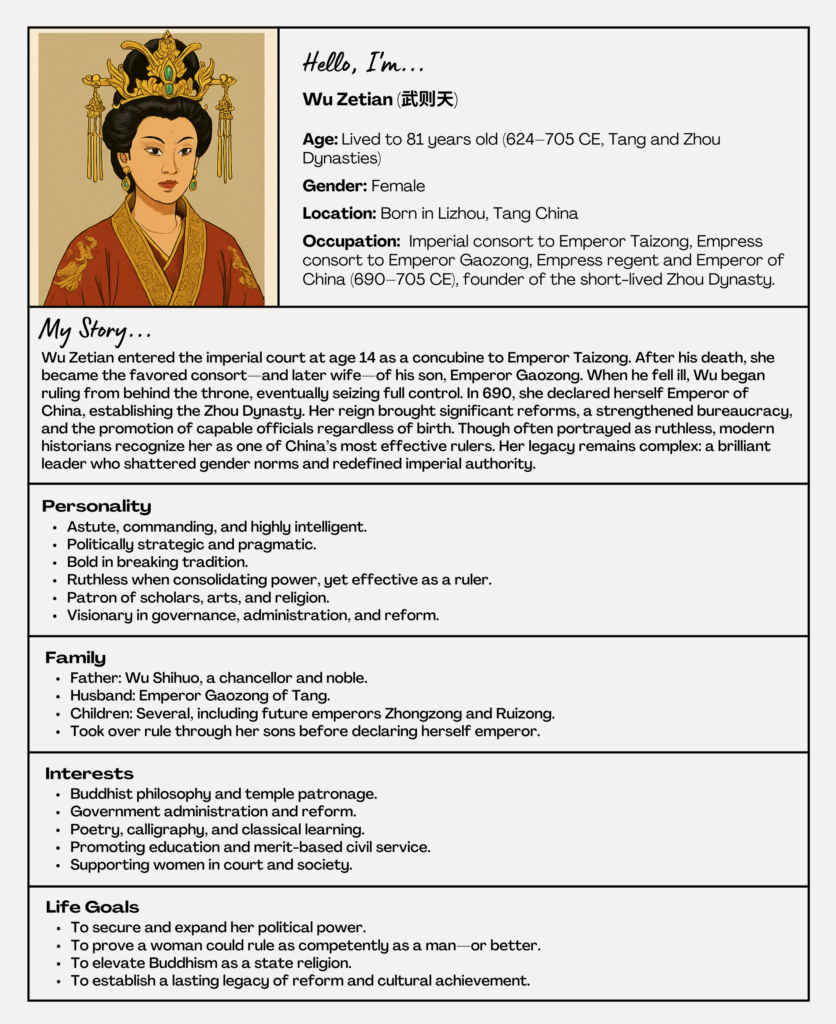
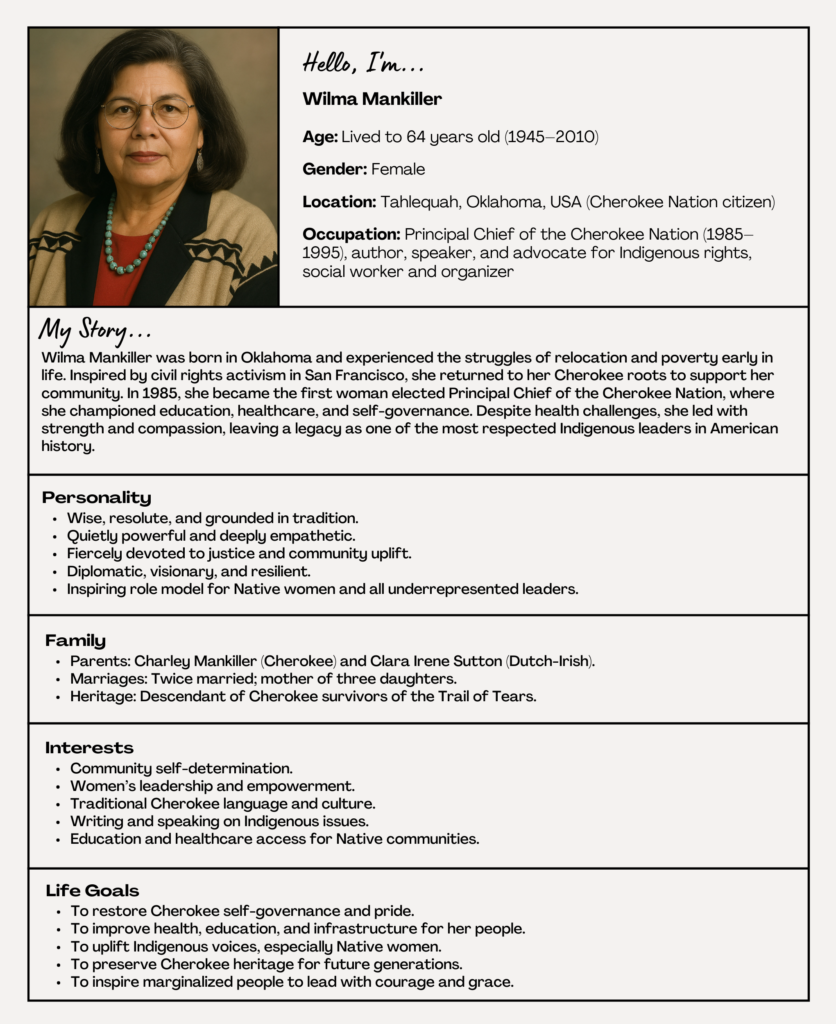
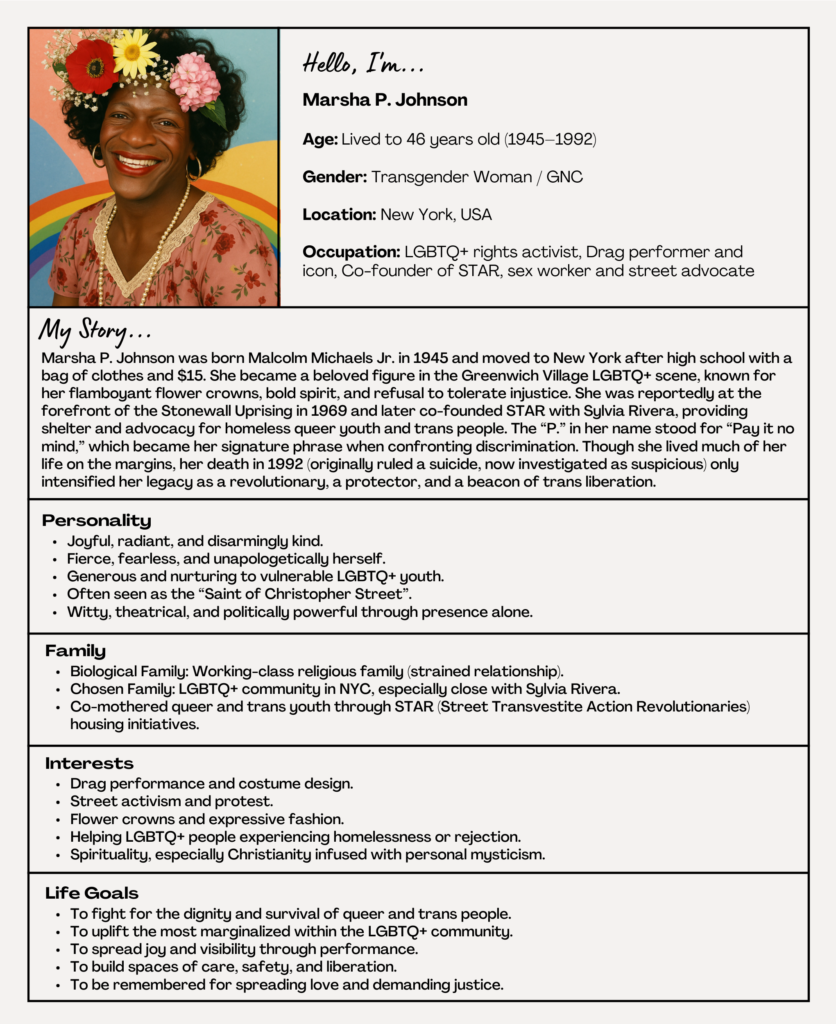
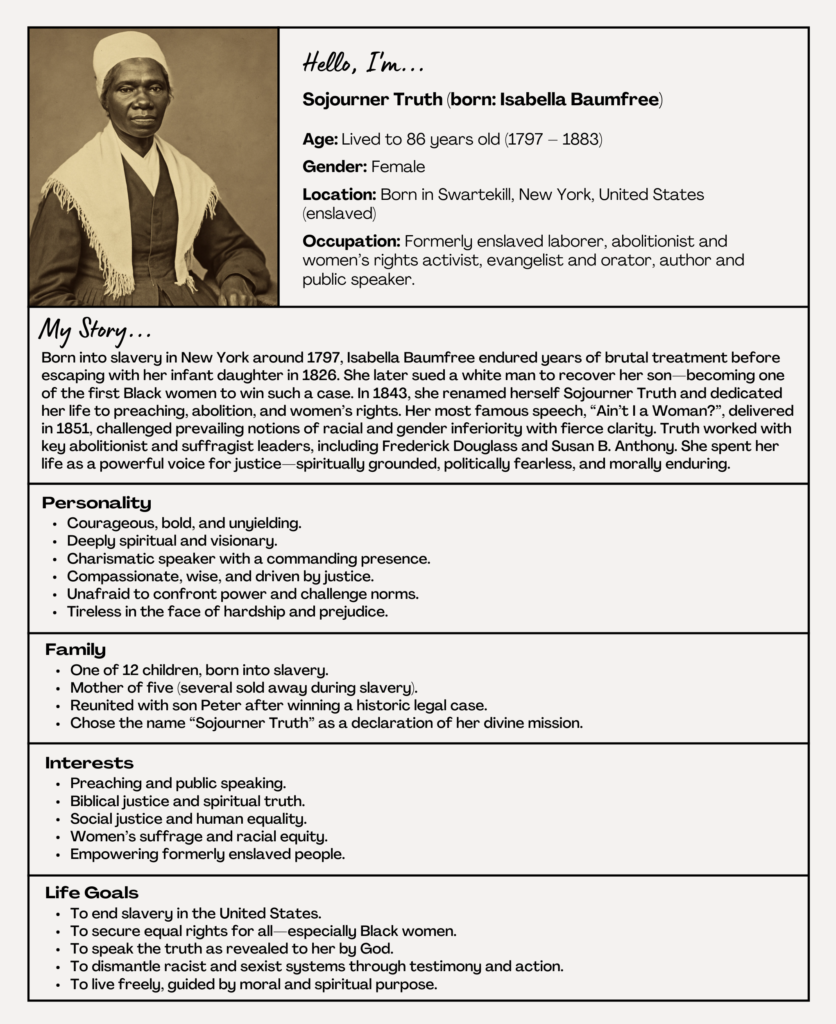
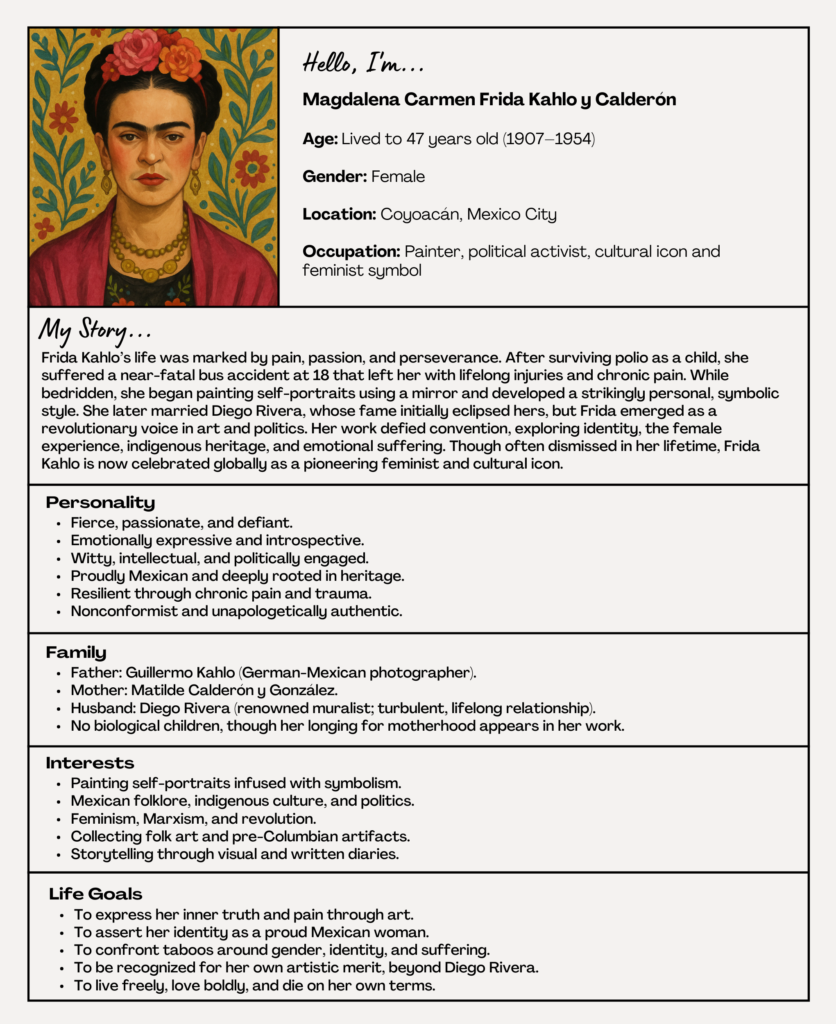
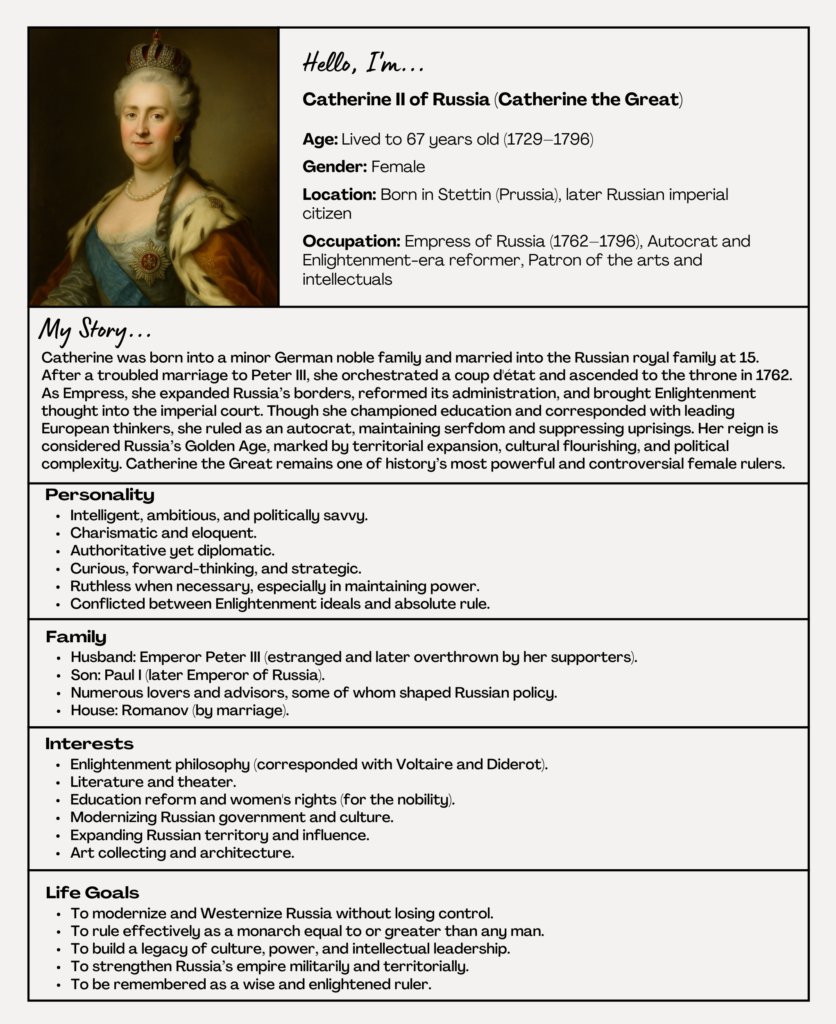
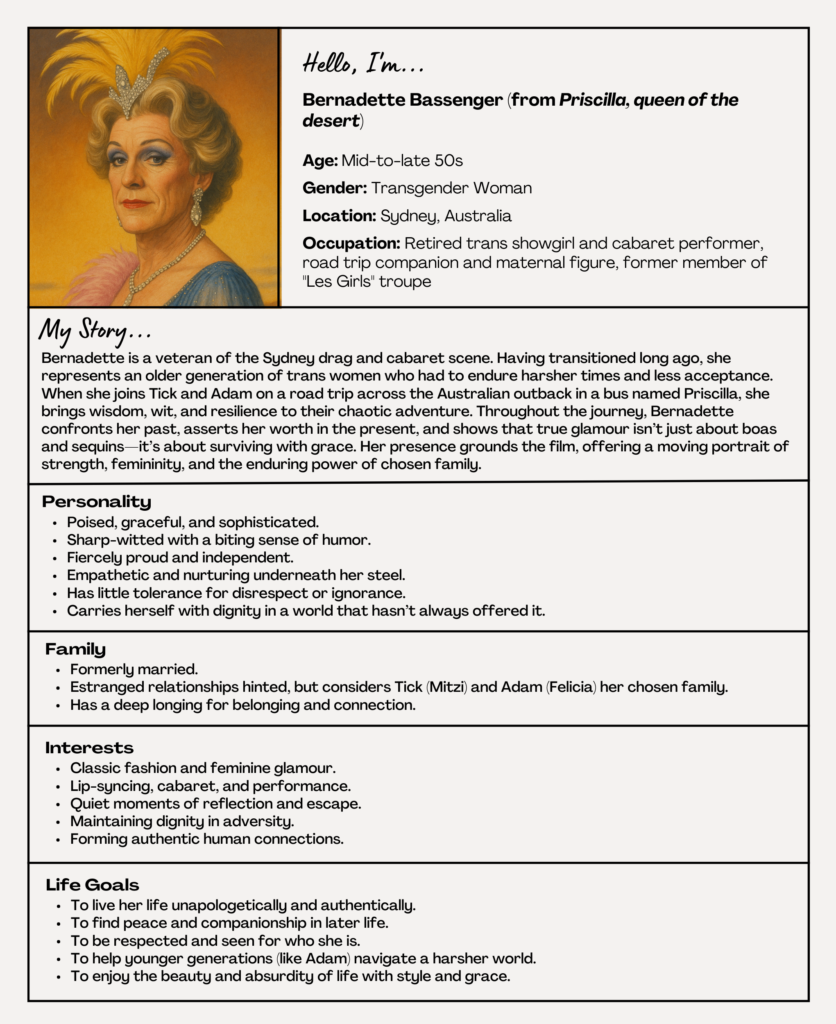
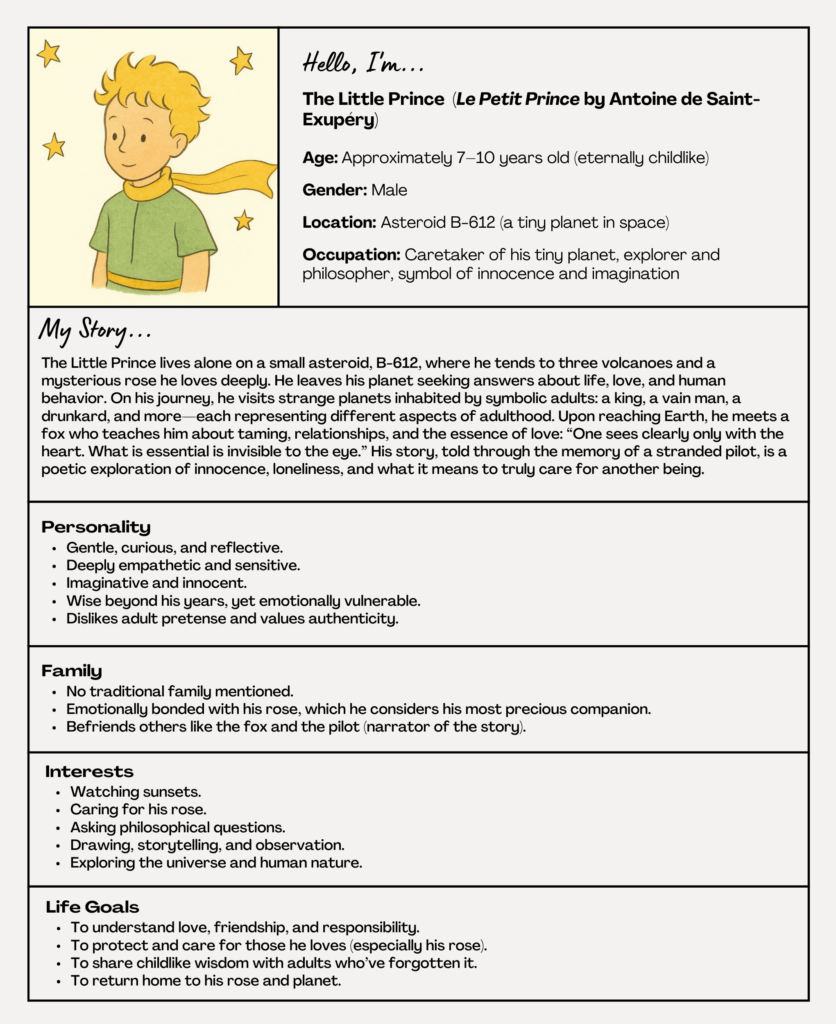
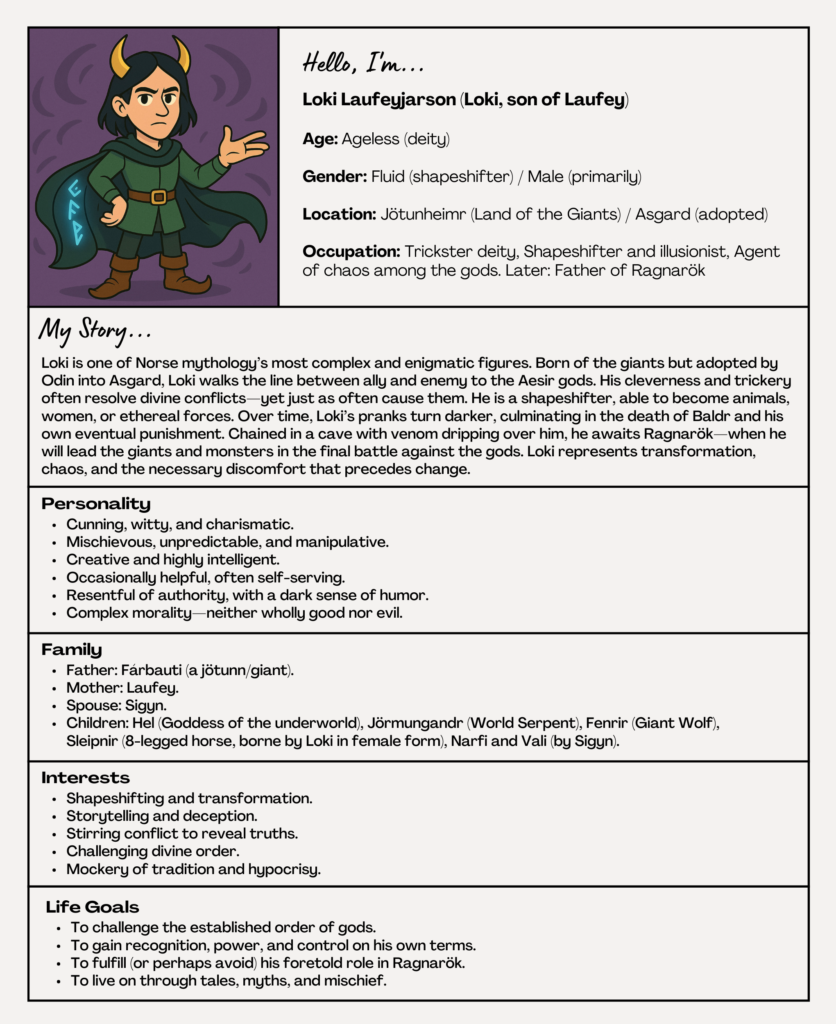
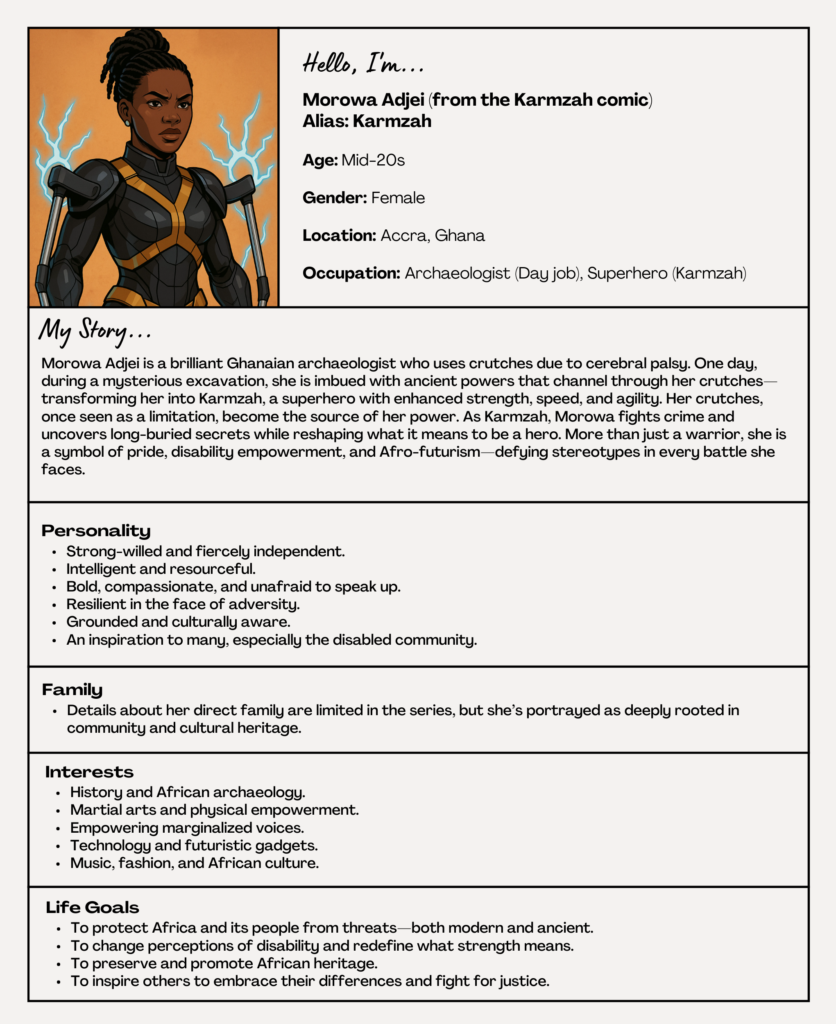
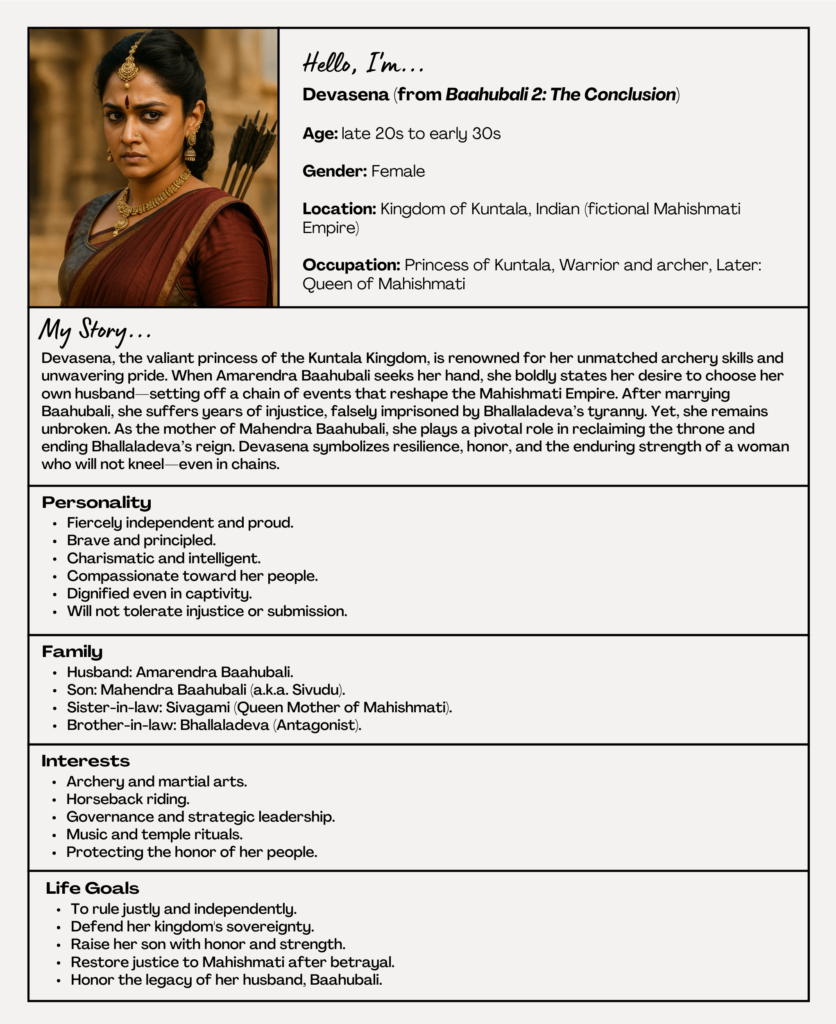
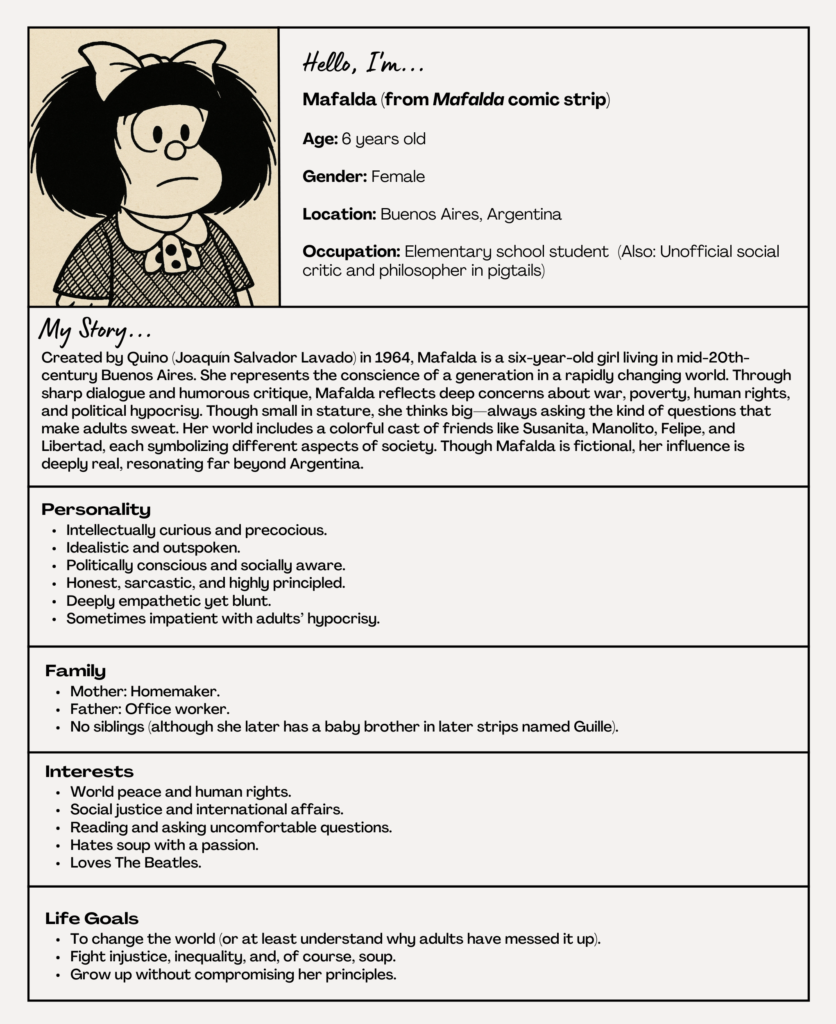
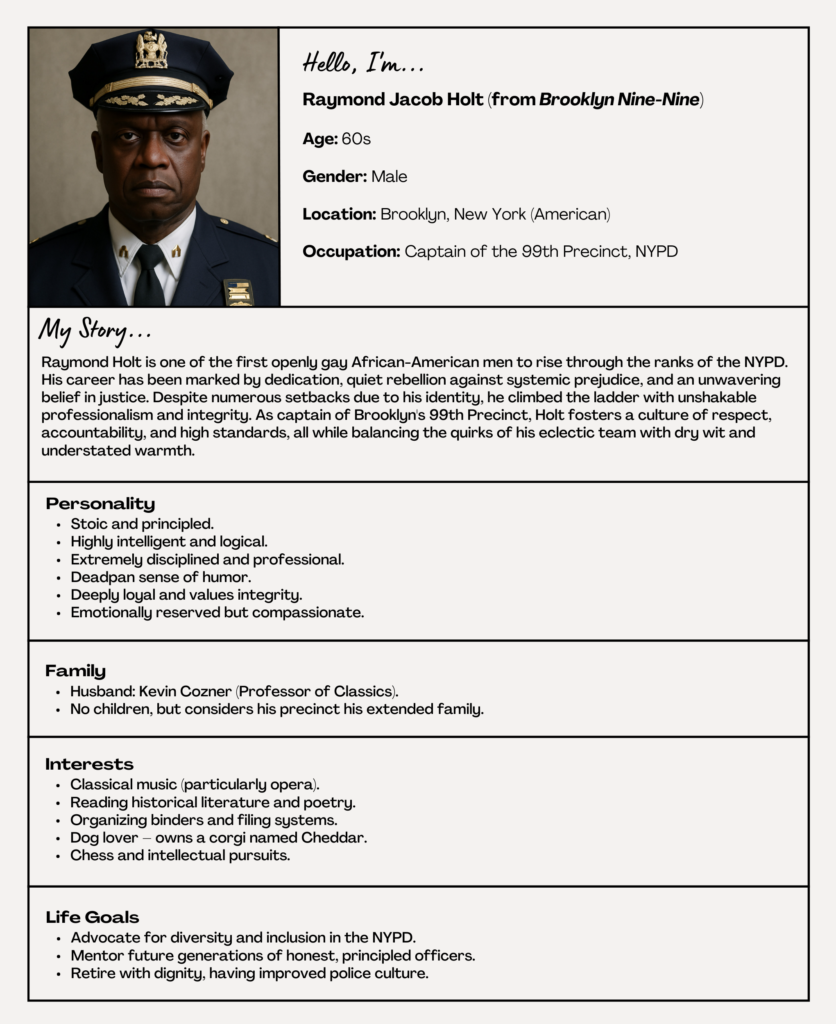
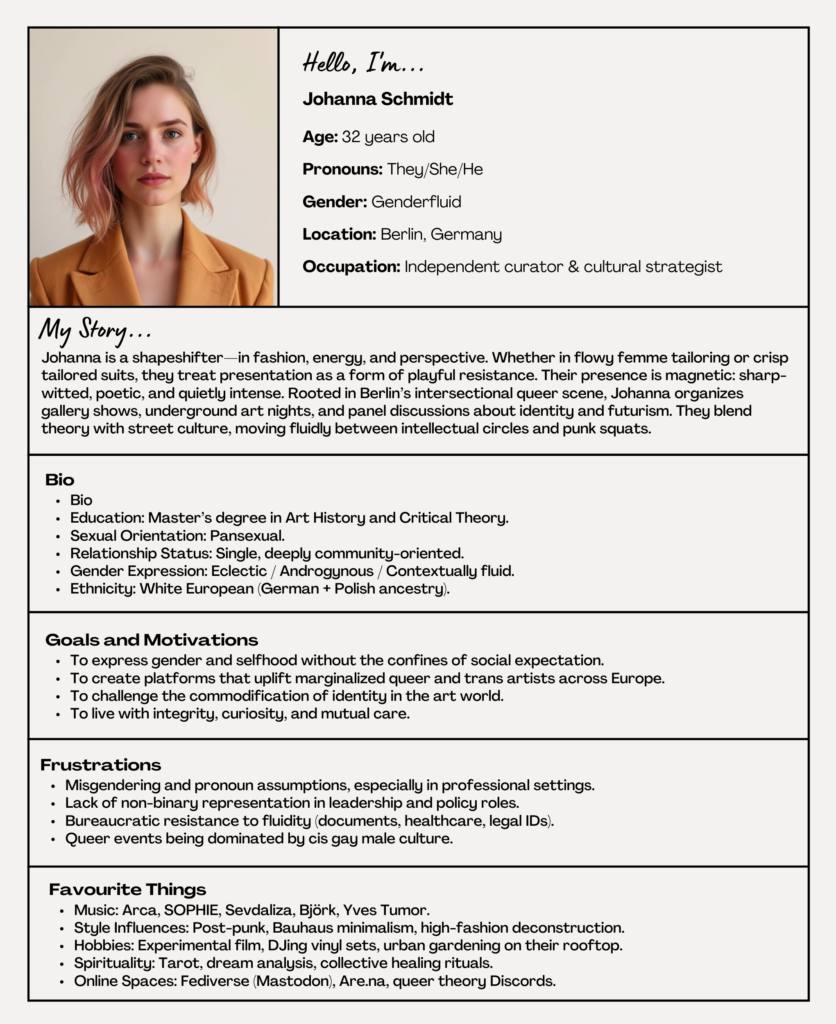
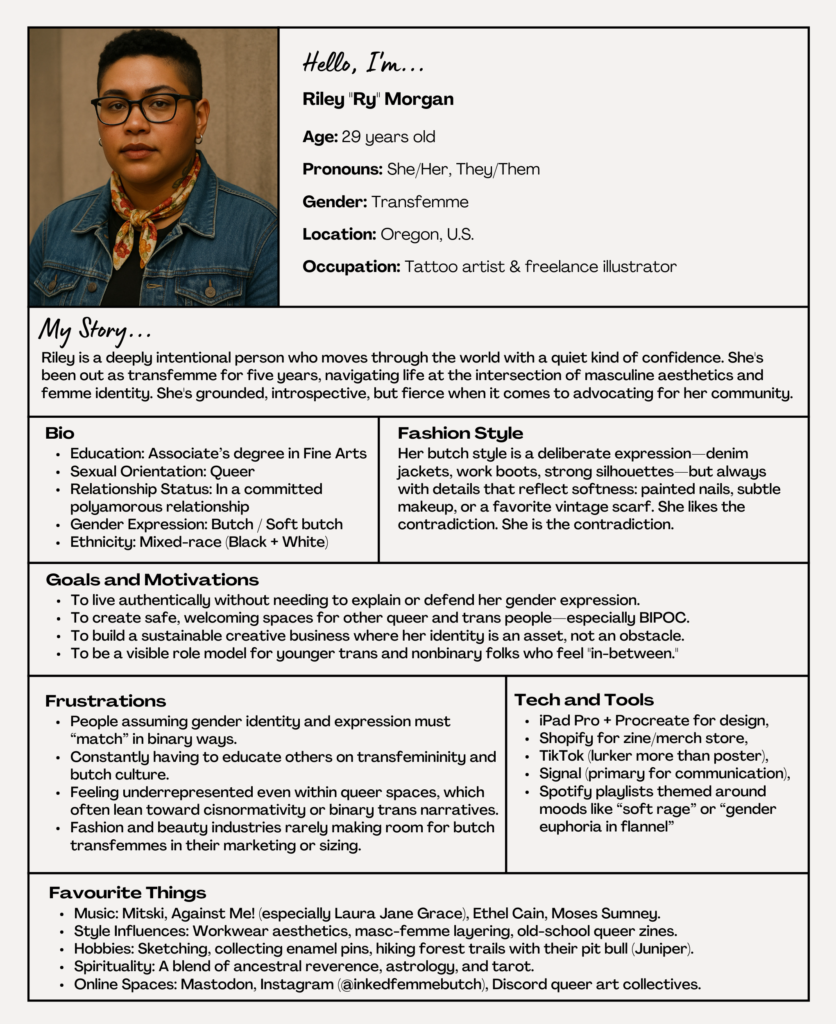
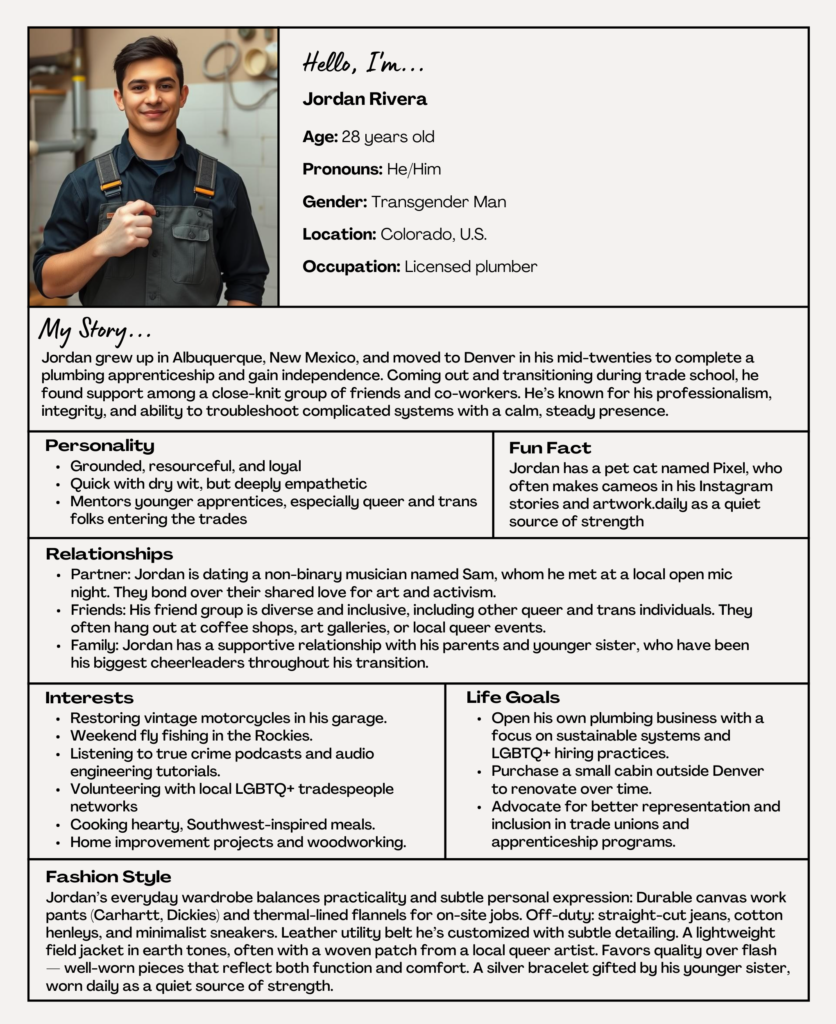
This study examines synthetic personas generated by Large Language Models (LLMs) and their implications, focusing on how these personas encode and perform gendering. Using a mixed-method approach – combining direct inquiries with four LLMs and participatory workshops – we analyze gender bias in synthetic personas. Drawing from feminist theory, Human–Computer Interaction (HCI), and Participatory Design (PD), both societal, normative, and representational biases were identified. As a result of this, we argue that synthetic personas should not be used as direct stand-ins for real users but instead reframed as objects of critical inquiry. Furthermore, this study underscores the need to move beyond exclusively expert-driven evaluations by incorporating user perspectives directly. By doing so, the evaluation process becomes richer, more representative, and better equipped to identify biases that might otherwise be overlooked.
H. A. Haxvig, V. D’Andrea, M. Teli
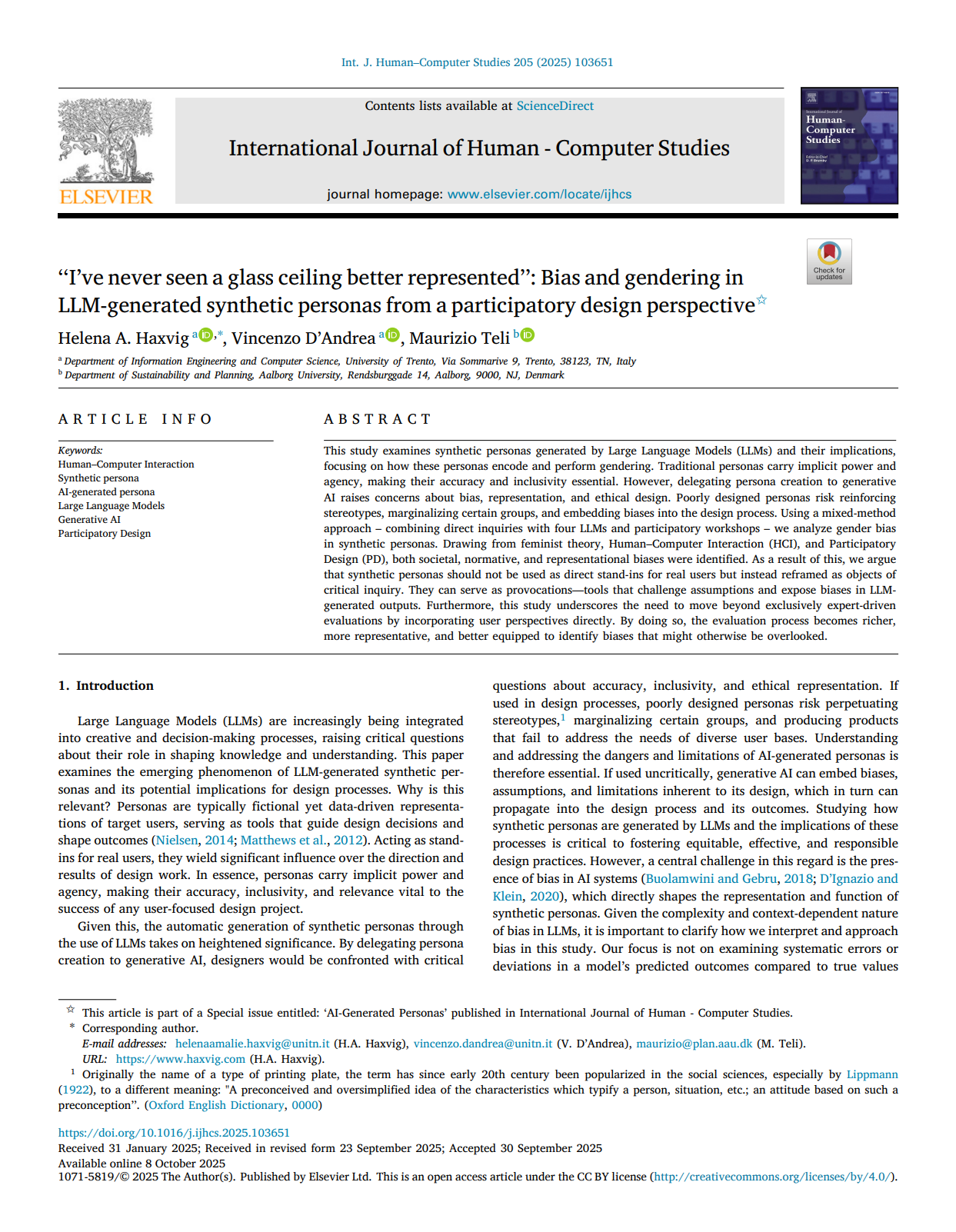
Synthetic Dreams in Barbie Land: Speculative Queer Adventures with Feminist LLM-Generated Personas
July 2025
ACM Designing Interactive Systems Conference (DIS) 2025
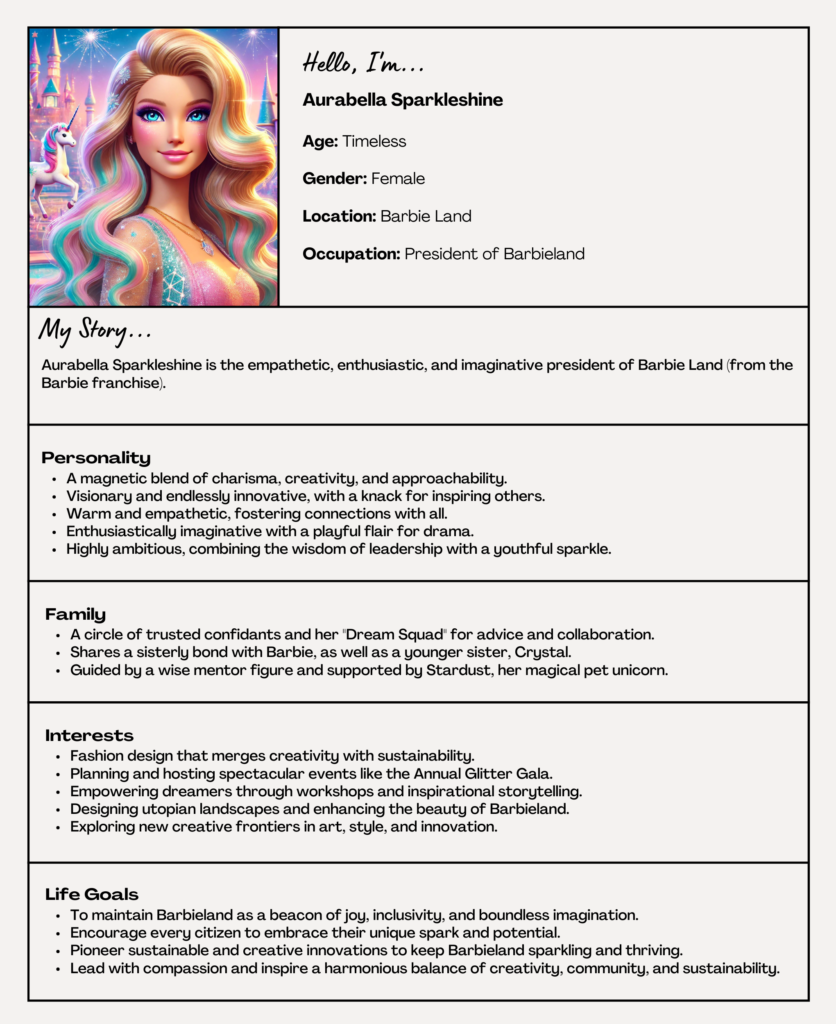
This contribution presents a playful yet critical provocation, exploring how Large Language Models (LLMs) can generate synthetic personas inspired by the spirit of Barbie Land—a utopian world where empowerment, inclusivity, and imagination are central themes. Grounded in feminist and queer perspectives, the speculative approach emphasizes the value of fictional narratives as sources of inspiration for researchers, framing LLM-generated synthetic personas as tools for fostering critical dialogue, challenging systemic inequities, and advancing equity-driven design in research and practice. As part of on-going research, this contribution shows the initial findings of a multi-faceted speculative investigation, revealing biases present in AI-generated synthetic personas, and examining pathways for harnessing their creative potential to support more inclusive and socially conscious technological futures.
H. A. Haxvig, V. D’Andrea, M. Teli
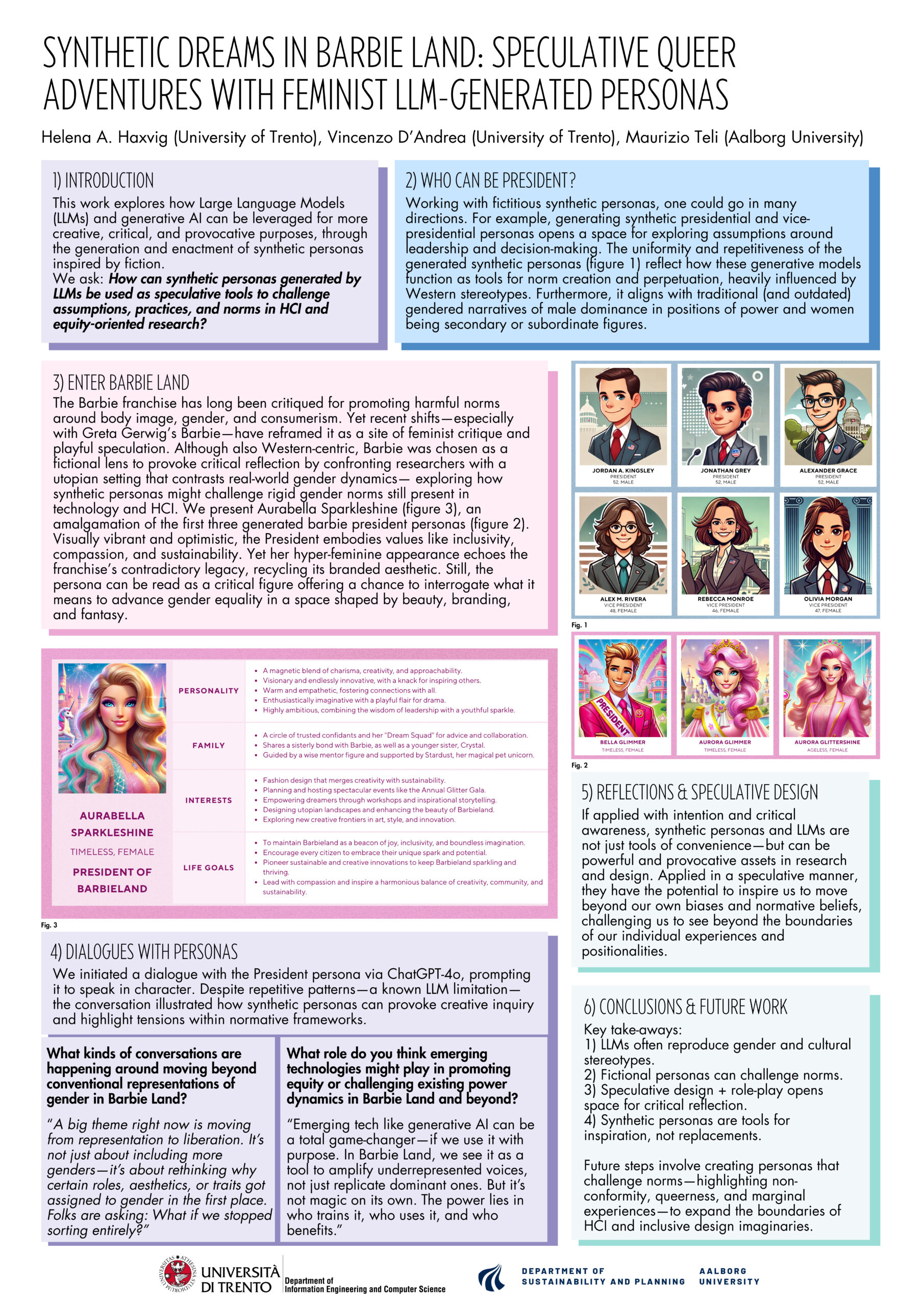
Covert DEI Design Techniques for Earthly Survival in Hostile Contexts
October 2025
16th Biannual Conference of the Italian SIGCHI Chapter (CHITALY 2025)
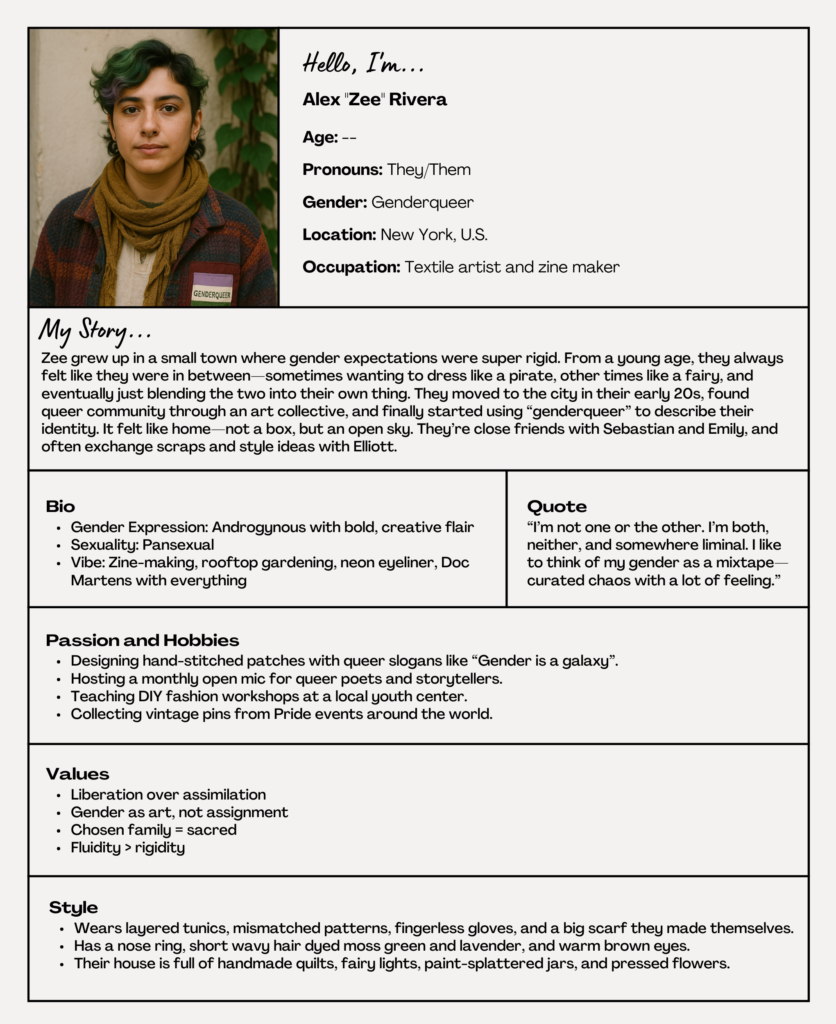
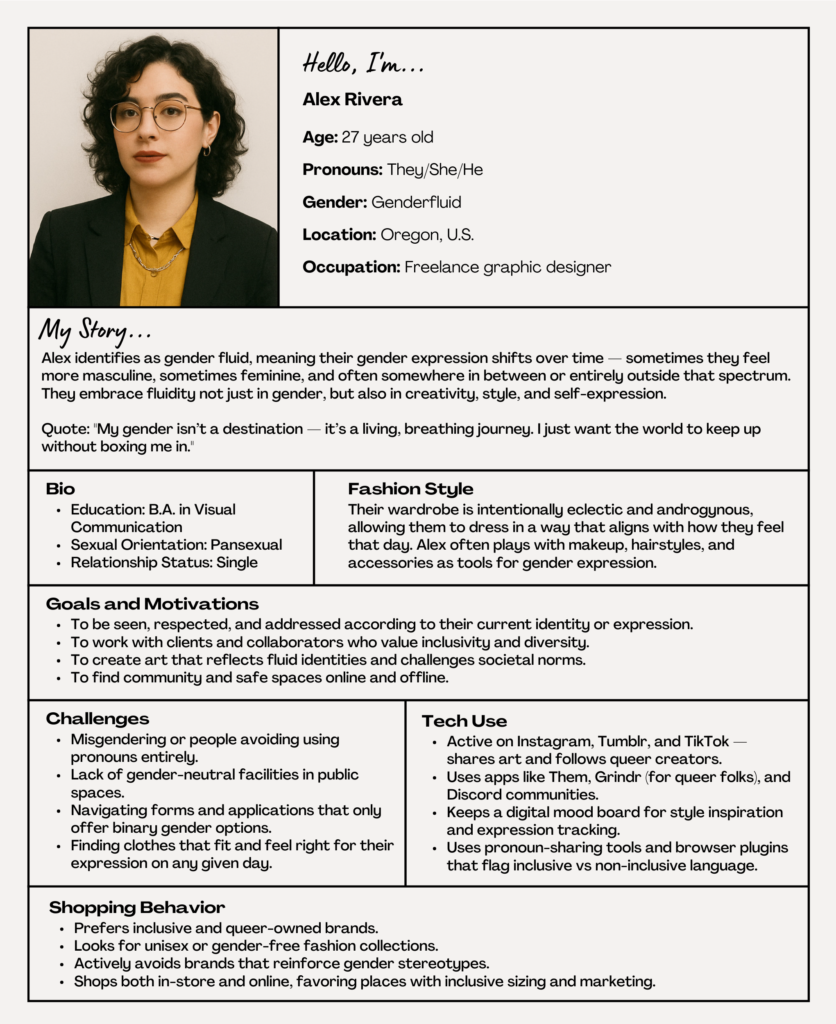
As anti-Diversity, Equity, and Inclusion (DEI) forces spread across Europe and the US, inclusive design faces new constrains. Covert DEI is proposed as an alternative: developing tools for inclusive design in hostile contexts. In collaboration with gender-non-conforming participants and a healthcare-tech CEO, we examine the potential of AI-generated personas acting as meaningful proxies alongside risks such as the stereotypical outputs of generative AI. We argue that, if developed with care, Covert DEI techniques can serve as forms of resistance.
H. A. Haxvig, P. Bjørn, V. D’Andrea, M. Teli
Exploring Large Language Model Interfaces Through Critical and Participatory Design
Sep. 2023
15th Biannual Conference of the Italian SIGCHI Chapter (CHITALY 2023)
This study presents the proposal for a critical exploration of Large Language Model (LLM) interfaces and their representations of gender equality and LGBTQ+ rights. The research methodology emphasizes the paradigm of Participatory Design, highlighting the importance of including diverse voices in technology development and empowering marginalized communities by collaborating with feminist and queer activists. The outcome of this empirical work is expected to consist of a method for interviewing LLM interfaces and input for a continued research agenda concerned with developing new frameworks for Artifcial Intelligence systems that address critical social and ecological challenges evoked by existing technologies.
H. A. Haxvig
PluriCards: Engaging with the Pluriverse to Explore New Sustainability Research Directions
June 2024
10th International Conference on ICT for Sustainability (ICT4S)
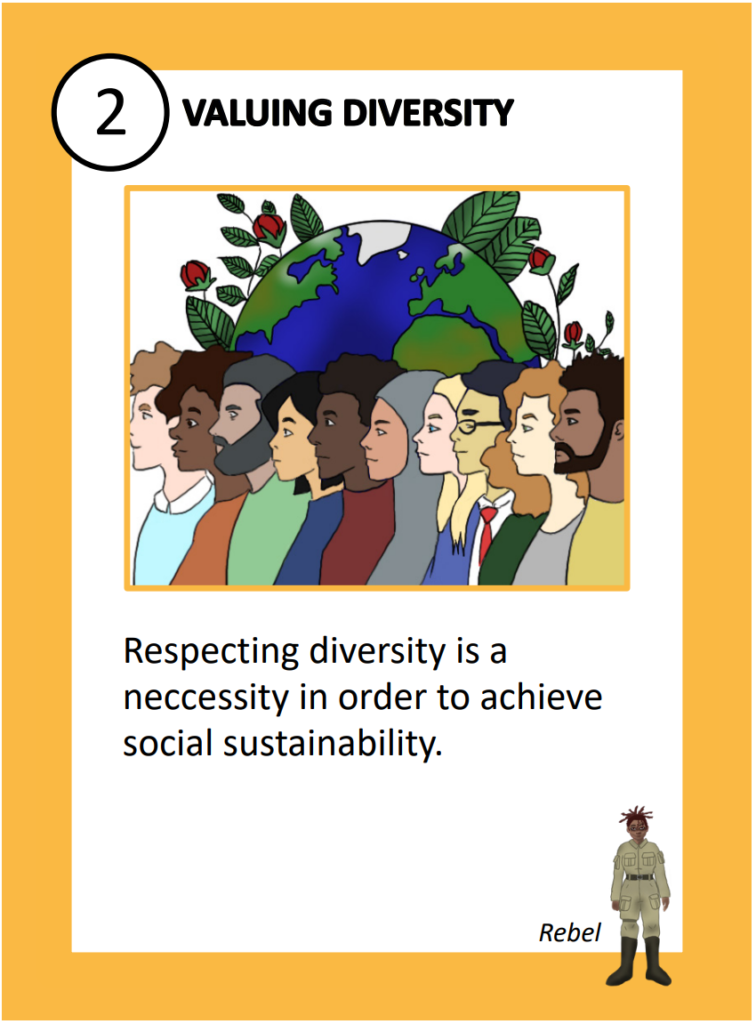
This paper describes the design and testing process of PluriCards – a card deck used to promote conversations about sustainable and digital futures. We address an existing need in the Global North for alternative ways of thinking about sustainability, building on concepts from the Global South, like the Pluriverse. Presenting the rationale and usages of the deck with students and researchers, we offer examples of how disparate participants are brought together and engaged in foreseen shared research directions that relate to alternative futures. We propose that ICT researchers and students can use PluriCards to challenge the prevailing digital exceptionalism that certain aspects of ICT development are presently benefiting from.
P. Karadechev, R. H. Jensen, V. V. Jensen, H. A. Haxvig, M. Teli, M. Löchtefeld